
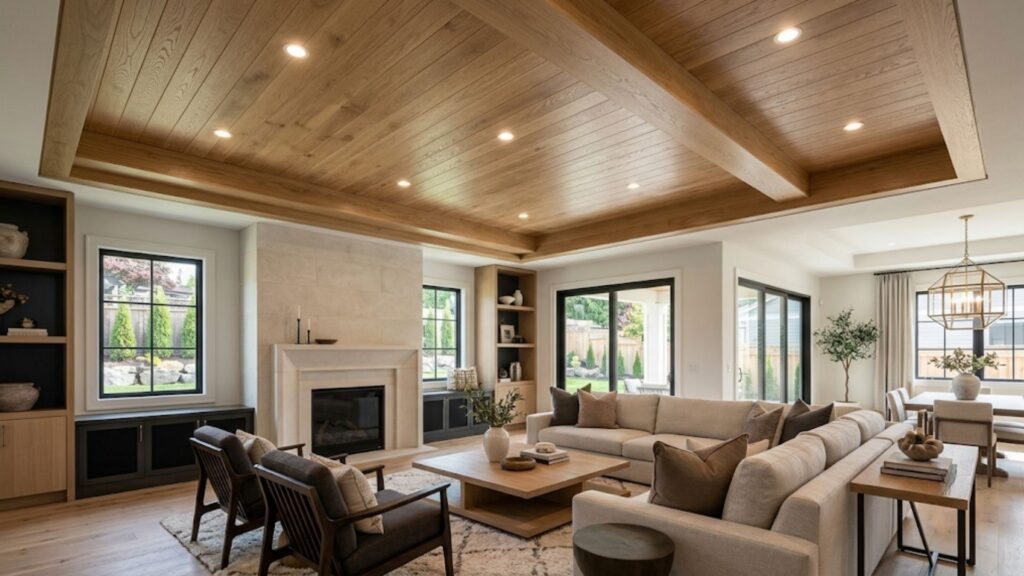
Upgrading your ceiling is one of the most impactful ways to elevate your home's architectural charm and aesthetic value. When exploring plank-style options, two names consistently dominate design conversations: shiplap and tongue-and-groove. While both create a warm, inviting feel, they vary dramatically in structure, visual seamlessness, and performance. Choosing between these materials requires understanding how they fit together and how they protect your interior spaces. Let’s dive into the core differences to help you determine which profile is the ultimate solution for your next ceiling project.
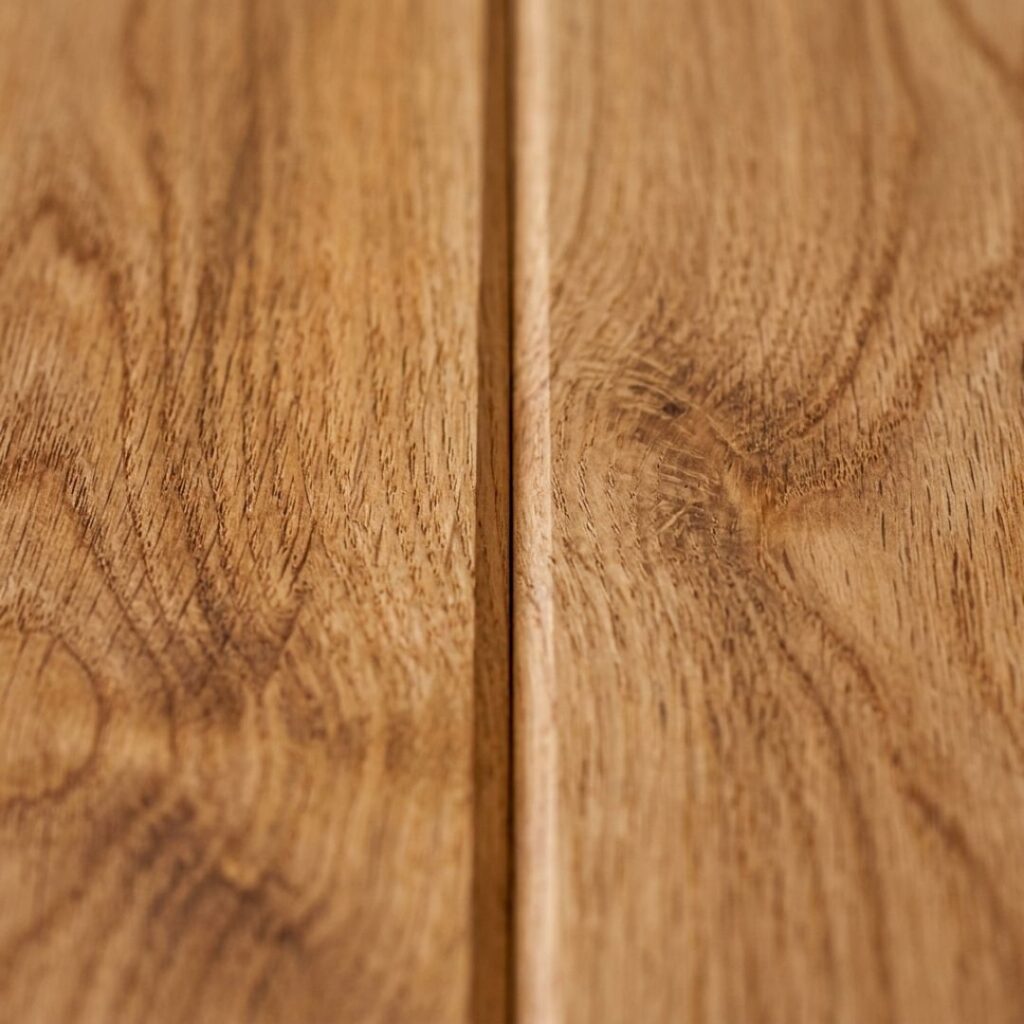
How do we separate these popular ceiling choices? The difference lies in their joints. Shiplap features overlapping rabbet joints, creating classic L-shaped grooves. Alternatively, our tongue and groove ceiling planks fit together with a protruding tab on one edge locking into a receiving slot, establishing a smooth, tight finish that completely conceals all underlying nail heads.
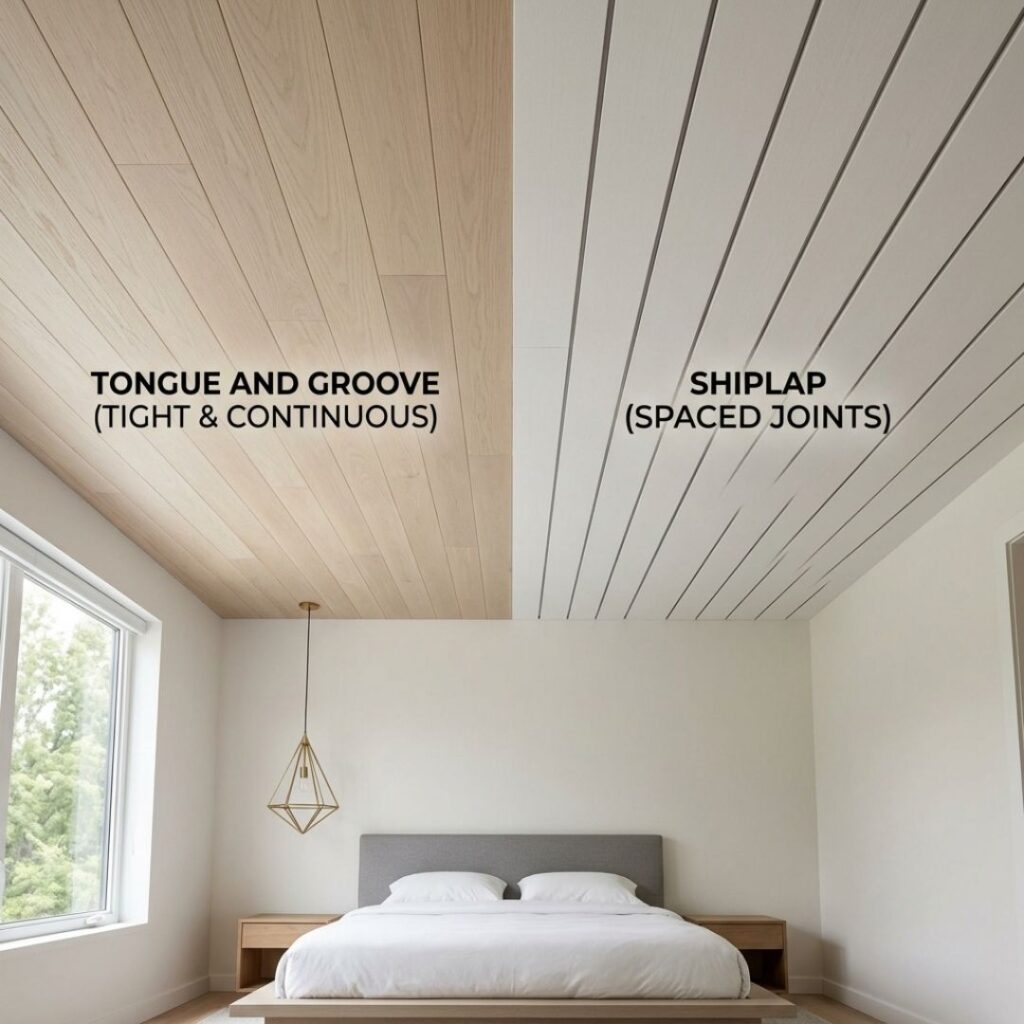
The aesthetic gap between the two styles is noticeable. Shiplap leaves an explicit channel, or “nickel gap,” between each board, projecting a relaxed, coastal, or farmhouse atmosphere. On the other hand, a tongue and groove ceiling creates a much tighter, more continuous surface that lends itself to refined modern, transitional, and classic luxury spaces.
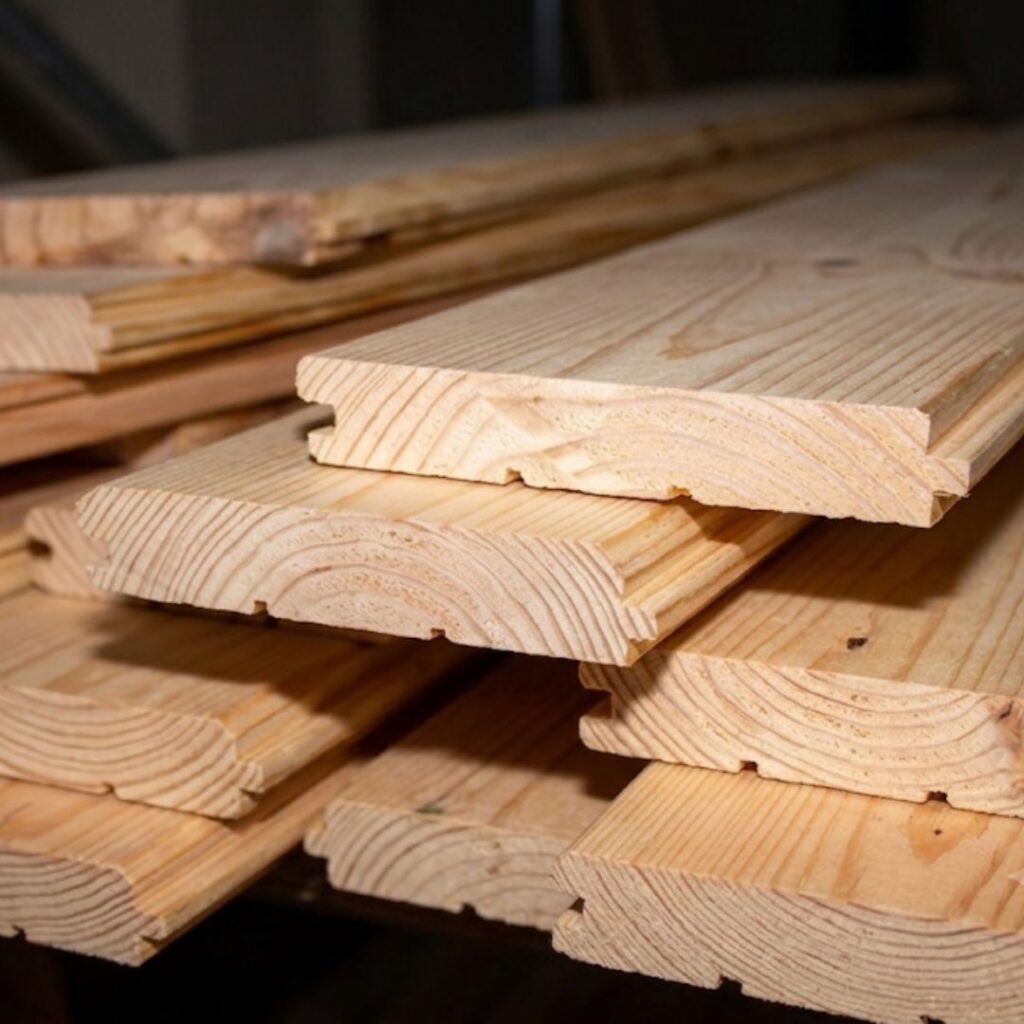
Protecting your home from drafts and temperature changes is critical. Because of their tightly interlocking profile, our tongue and groove ceiling planks offer superior barrier protection. The interlocking tabs create a highly secure seal that restricts airflow and reduces energy loss, whereas shiplap’s overlapping system offers slightly less protection against drafts and shifting moisture levels over time.
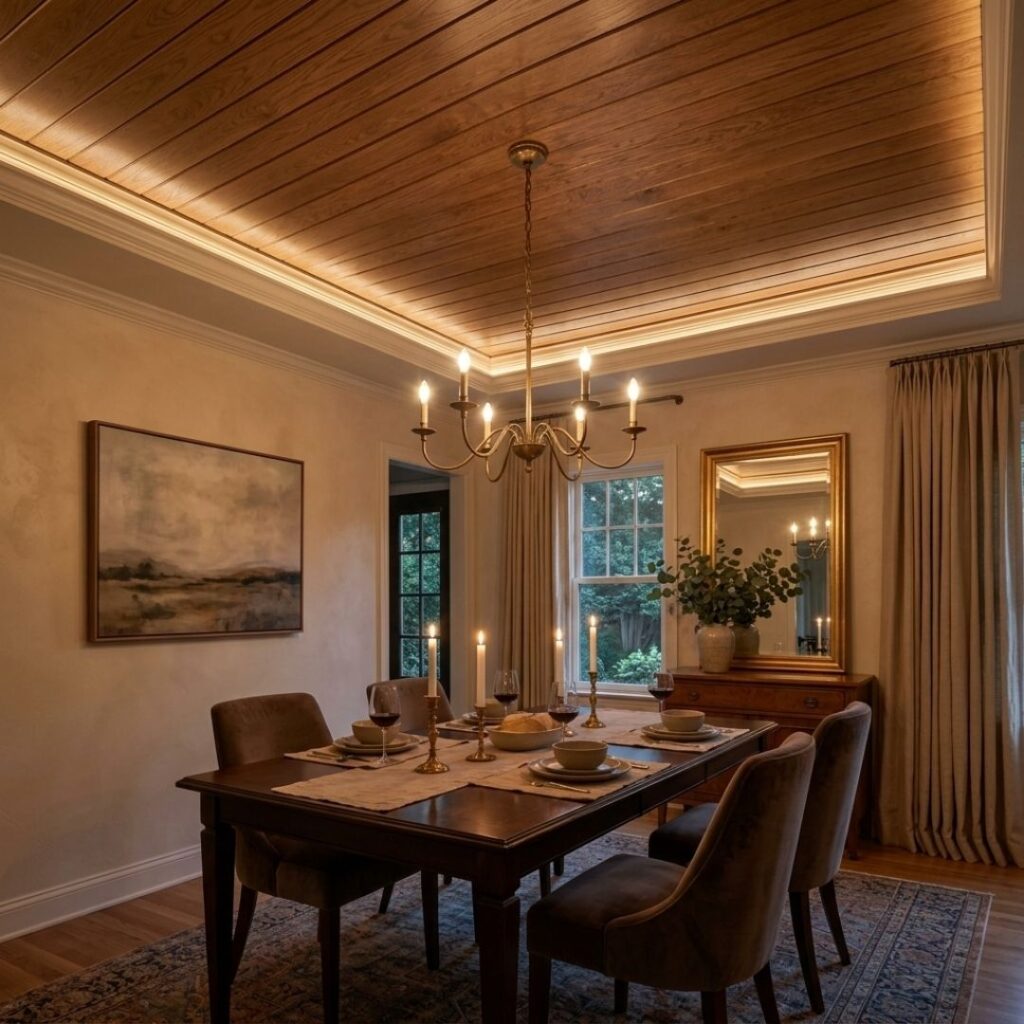
When planning our installation, structural movement must be addressed. Wood naturally expands and contracts due to humidity fluctuations. Tongue and groove systems excel here, allowing minor shifts without compromising the look or exposing sub-ceilings. Shiplap, while slightly easier to nail directly, may show gaps more visibly when seasonal changes cause wood fibers to expand and pull apart.
While shiplap offers a rustic, overlapping look, a tongue and groove ceiling delivers superior stability, easier concealment of fasteners, and a more seamless luxury finish. Selecting the proper ceiling treatment transforms any room from standard to extraordinary. At Volterra Architectural Products, we hand-craft our tongue and groove ceiling planks in a wide variety of premium wood species and gorgeous finishes to match any architectural design. Browse our extensive collections of exquisite ceiling options today, or contact our customer service team to request product samples and start mapping out your perfect ceiling renovation.